
Higher education
Georgia Tech academic department
A multi-site Drupal ecosystem modernized for accessibility and mobile
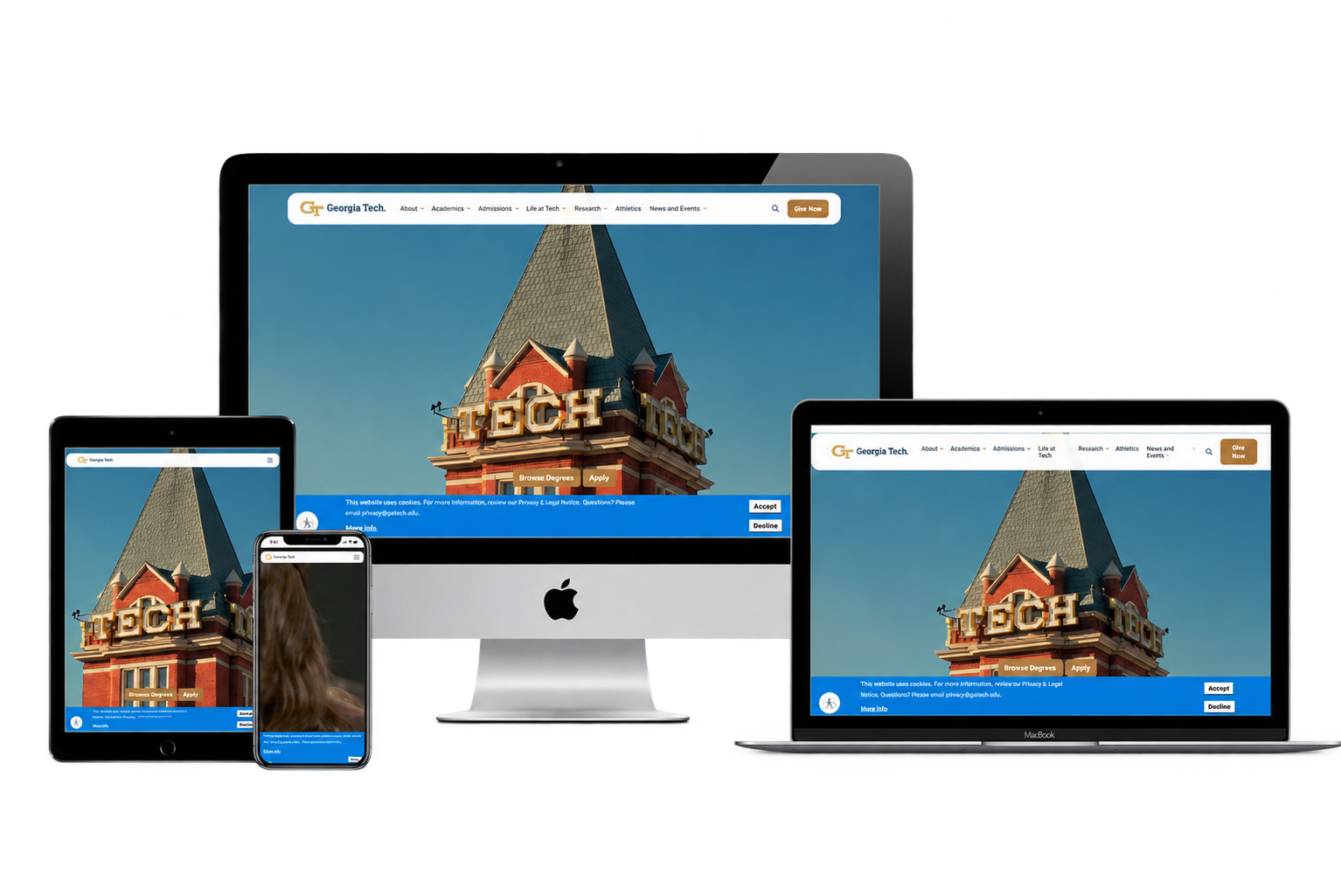
InfoStride is partnering with a Georgia Institute of Technology academic department to modernize a multi-site Drupal ecosystem supporting prospective students, current students, faculty, researchers and departmental stakeholders. The engagement focuses on accessibility, usability and mobile responsiveness across five or more core content areas — academic programs, faculty directories, research groups, student resources and news and events — aligned with WCAG 2.1 AA standards and Georgia Tech's digital brand guidelines.
Client
Georgia Tech academic department
Platform
Multi-site Drupal
Standard
WCAG 2.1 AA
Status
Active engagement
5+
Core content areas in scope
Programs, faculty, research, student resources, news.
AA
WCAG 2.1 target
Aligned with Georgia Tech's digital brand guidelines.
4
Stakeholder audiences served
Prospective and current students, faculty, researchers.
Key challenges
- A multi-site Drupal ecosystem serving five distinct stakeholder audiences with different needs.
- Accessibility and mobile responsiveness gaps across academic programs, faculty directories and research group sites.
- Content discoverability limited by inconsistent navigation and information architecture.
- Aligning a distributed departmental estate with Georgia Tech's digital brand guidelines.
- Maintaining a scalable content management model the department can sustain itself.
- Optimizing academic program comparison tools and faculty research portfolio templates.
- Preserving existing search engine visibility and URL taxonomies during multi-site restructuring.
The InfoStride solution
- Audit across five content areas
Academic programs, faculty directories, research groups, student resources and news and events assessed for accessibility, usability and mobile behaviour. - Design to WCAG 2.1 AA
Interface and template work aligned to WCAG 2.1 AA and Georgia Tech's digital brand guidelines simultaneously. - Rebuild navigation and discoverability
Information architecture reworked so prospective students, faculty and researchers each reach what they came for. - Mobile usability
Responsive behaviour rebuilt across the ecosystem rather than patched per template. - Scalable Drupal architecture
A structure that strengthens SEO performance, simplifies content management and supports future departmental growth. - Faculty directory & research integration
Structured custom post types for faculty expertise search and research project showcases. - Continuous UX & performance testing
Integrated analytics and continuous testing tools to sustain high student engagement.
Outcomes
What Georgia Tech academic department has now
- A modern, WCAG 2.1 AA compliant digital experience across the departmental ecosystem.
- Improved navigation, accessibility, mobile usability and content discoverability.
- A scalable Drupal architecture strengthening SEO performance and simplifying content management.
- A sustainable foundation for future growth of the department's digital estate.
- Enhanced engagement for students, faculty and researchers across all five content areas.
- Faculty expertise directories and research portfolios built with accessible semantic structures.
- Responsive mobile layout optimization verified across all desktop, tablet, and smartphone viewports.
- Long-term departmental autonomy established with intuitive content editing workflows.
More case studies
-
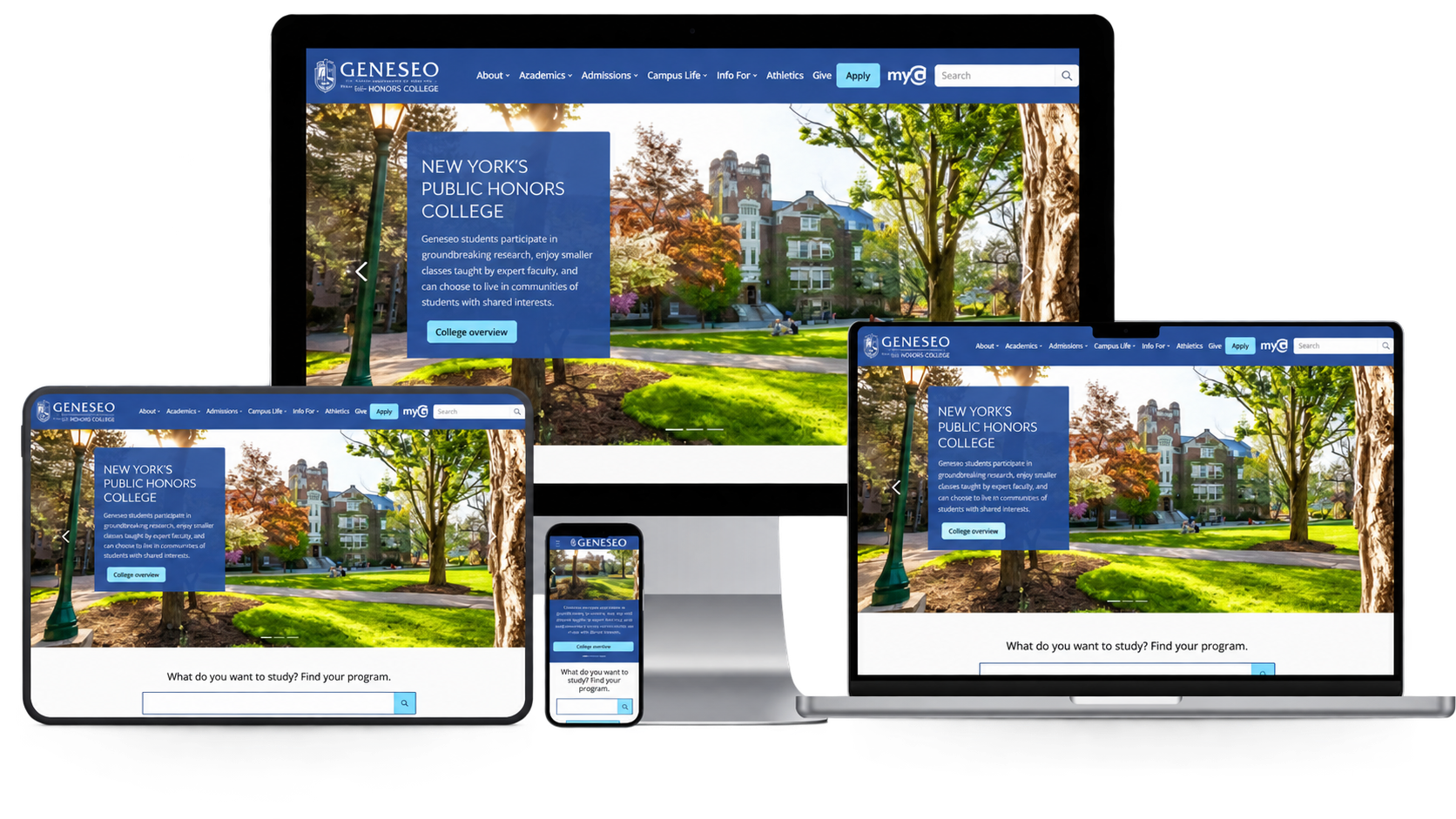
SUNY Geneseo
Read the case study: SUNY GeneseoA fragmented Drupal estate across hundreds of departments rebuilt as one governed WordPress platform, with accessibility enforced at…
-
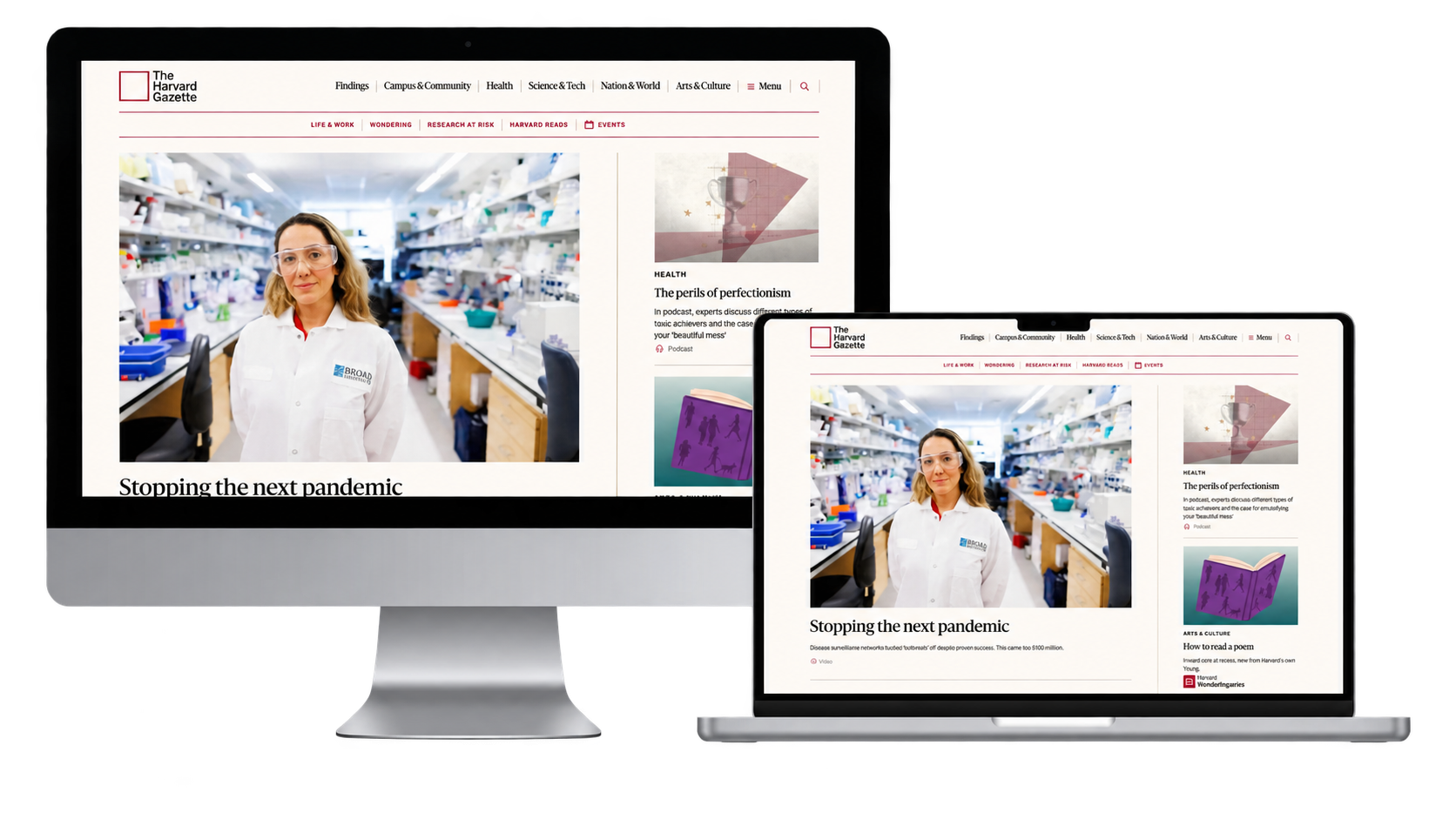
The Harvard Gazette
Read the case study: The Harvard GazetteHarvard’s official news platform moved off Drupal 7 as Prime Contractor with WordPress VIP, archive and search equity…
-
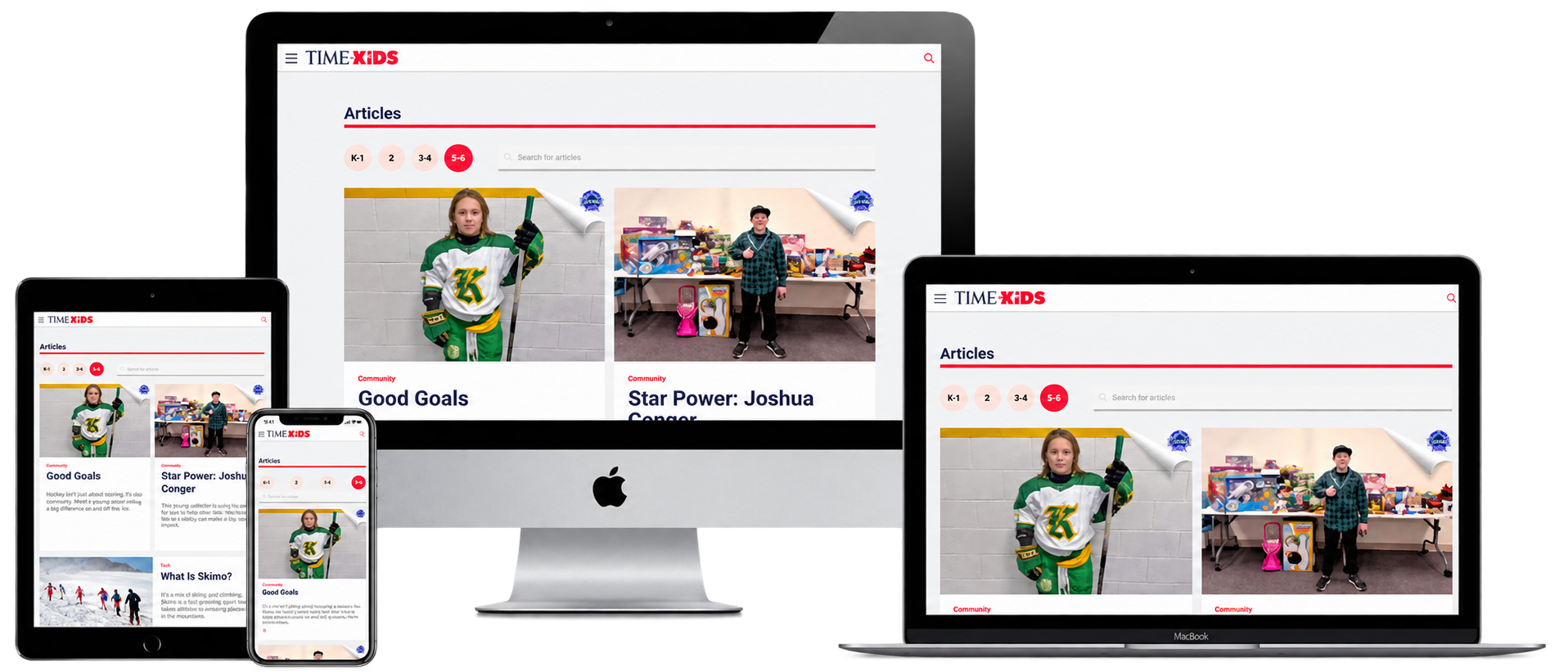
TIME
Read the case study: TIMERoughly twenty-four properties across four applications – single-site, multisite, decoupled and intranet – modernized in phased batches.
Bring us your estate as it actually is
Nine CMS versions, four vendors, an open accessibility finding — that is the normal starting point. We will walk the estate with you and tell you what we would do first.