
Global media
TIME
Twenty-four TIME websites modernized with zero editorial disruption
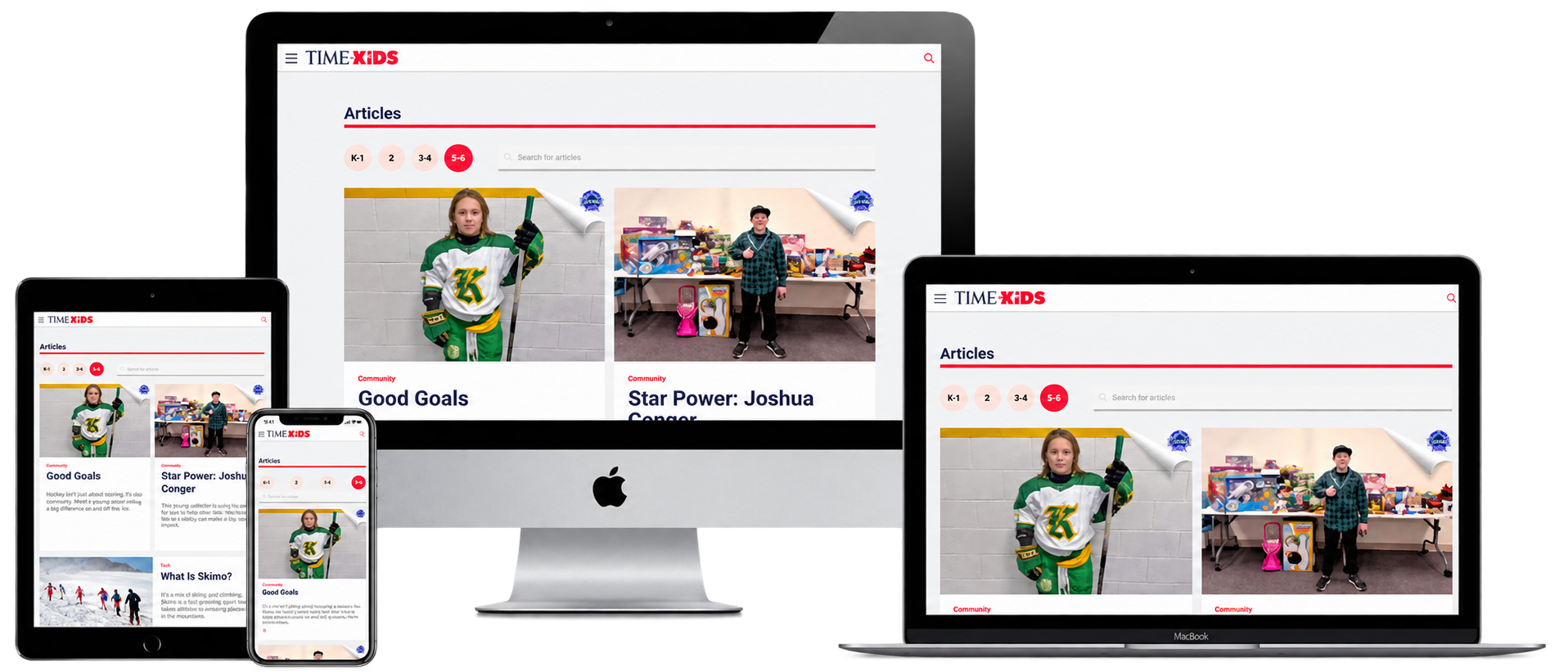
InfoStride led a large-scale platform modernization initiative for the TIME digital ecosystem, upgrading and stabilizing a complex network of approximately 24 websites across four major applications — including time.com, timeforkids.com, subsites.time.com and the internal intranet at.time.com. The engagement focused on editorial continuity, API integrity for decoupled architectures, and platform stability across single-site, multisite and intranet environments.
Client
TIME
Scope
~24 sites, 4 applications
Platform
WordPress 6.8.2, PHP 8.3/8.4
Architectures
Single-site, multisite, decoupled, intranet
~24
Websites upgraded
Across four major applications, in phased batches.
0
Disruption to editorial operations
Publishing continued throughout the programme.
100%
Workflows and APIs preserved
Editorial flows, API contracts and multisite functionality intact.
Key challenges
- Upgrading a large, diverse ecosystem of ~24 websites across single-site, multisite, decoupled and intranet architectures.
- Managing legacy environments running WordPress and PHP versions nearing end of life.
- Preserving editorial workflows and publishing continuity across high-traffic media platforms.
- Ensuring compatibility across custom themes, plugins and Gutenberg blocks.
- Maintaining API contract integrity for decoupled front-end implementations.
- Handling multisite complexities including theme inheritance, shared resources and unique-theme regressions.
- Supporting redirect-only subsites and intranet-specific authentication and access constraints.
The InfoStride solution
- Full ecosystem audit
Applications, themes, plugins, Gutenberg blocks, APIs and infrastructure dependencies mapped across all four applications. - Phased, batch-based upgrade strategy
Designed to modernize every platform with minimal disruption rather than a single high-risk cutover. - Dedicated non-production environments
One per application, so upgrades were executed and validated independently. - WordPress 6.8.2 and PHP 8.3/8.4
Compatibility issues resolved across custom codebases and third-party dependencies. - Extensive QA
Backend editorial workflows, frontend rendering, responsive layouts and cross-platform behaviour, plus multisite regression testing and representative sampling. - API-level validation
Decoupled platforms checked for data consistency, contract integrity and seamless frontend integration. - Controlled rollout
Pull-request-driven deployments, coordinated PHP upgrades and structured stakeholder reviews, with post-launch monitoring and rollback readiness.
Outcomes
What TIME has now
- ~24 websites across four applications successfully upgraded with zero disruption to editorial operations.
- All platforms modernized to WordPress 6.8.2 and PHP 8.3/8.4 for long-term support and security.
- 100% of editorial workflows, API integrations and multisite functionality preserved.
- Compatibility risks eliminated across themes, plugins and custom Gutenberg implementations.
- Decoupled architectures stabilized through validated API contracts and frontend synchronization.
- Platform performance, scalability and maintainability improved across the entire ecosystem.
- A future-ready digital foundation supporting continued growth and high-traffic publishing demands.
- Long-term technical stability achieved across all enterprise media properties.
More case studies
-
SUNY Geneseo
Read the case study: SUNY GeneseoA fragmented Drupal estate across hundreds of departments rebuilt as one governed WordPress platform, with accessibility enforced at…
-
The Harvard Gazette
Read the case study: The Harvard GazetteHarvard’s official news platform moved off Drupal 7 as Prime Contractor with WordPress VIP, archive and search equity…
-
TIME
Read the case study: TIMERoughly twenty-four properties across four applications – single-site, multisite, decoupled and intranet – modernized in phased batches.
Bring us your estate as it actually is
Nine CMS versions, four vendors, an open accessibility finding — that is the normal starting point. We will walk the estate with you and tell you what we would do first.